Why the Pet Shop Boys Wrote Paninaro
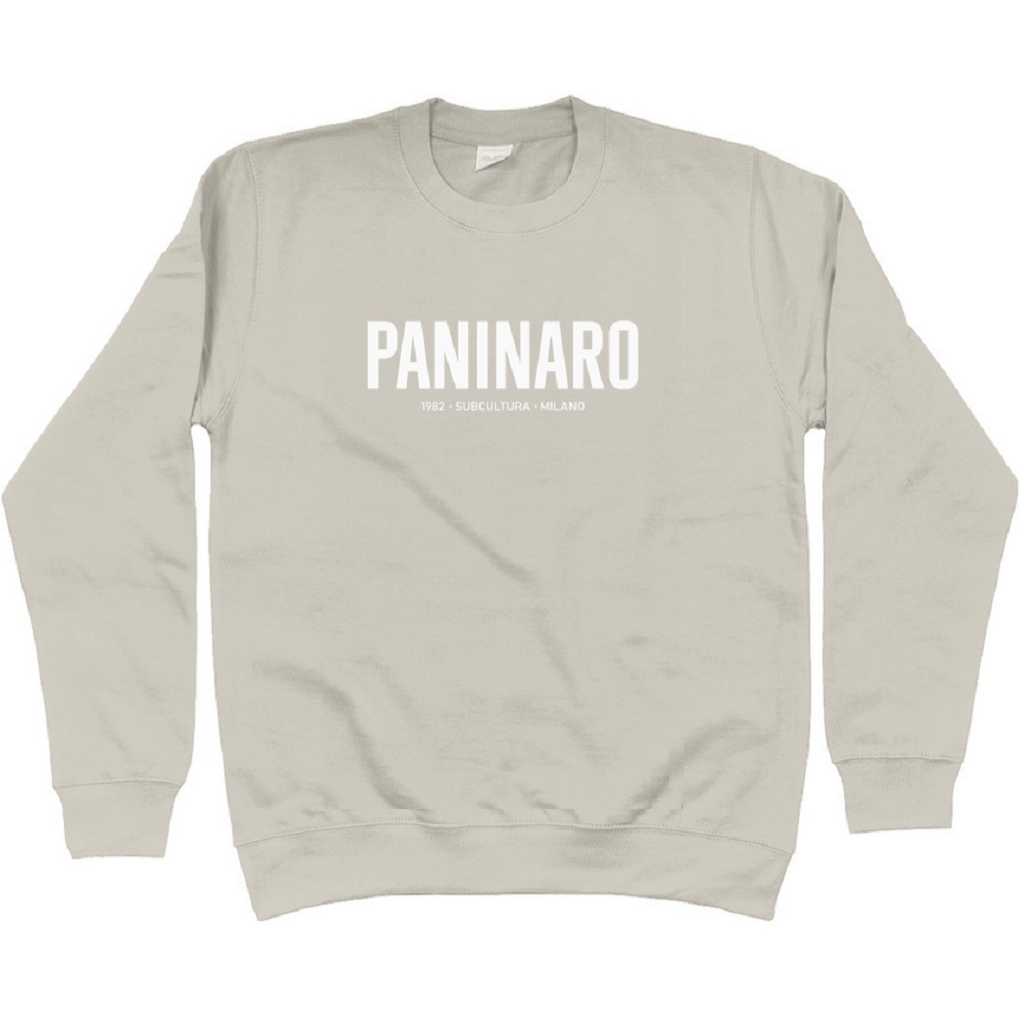
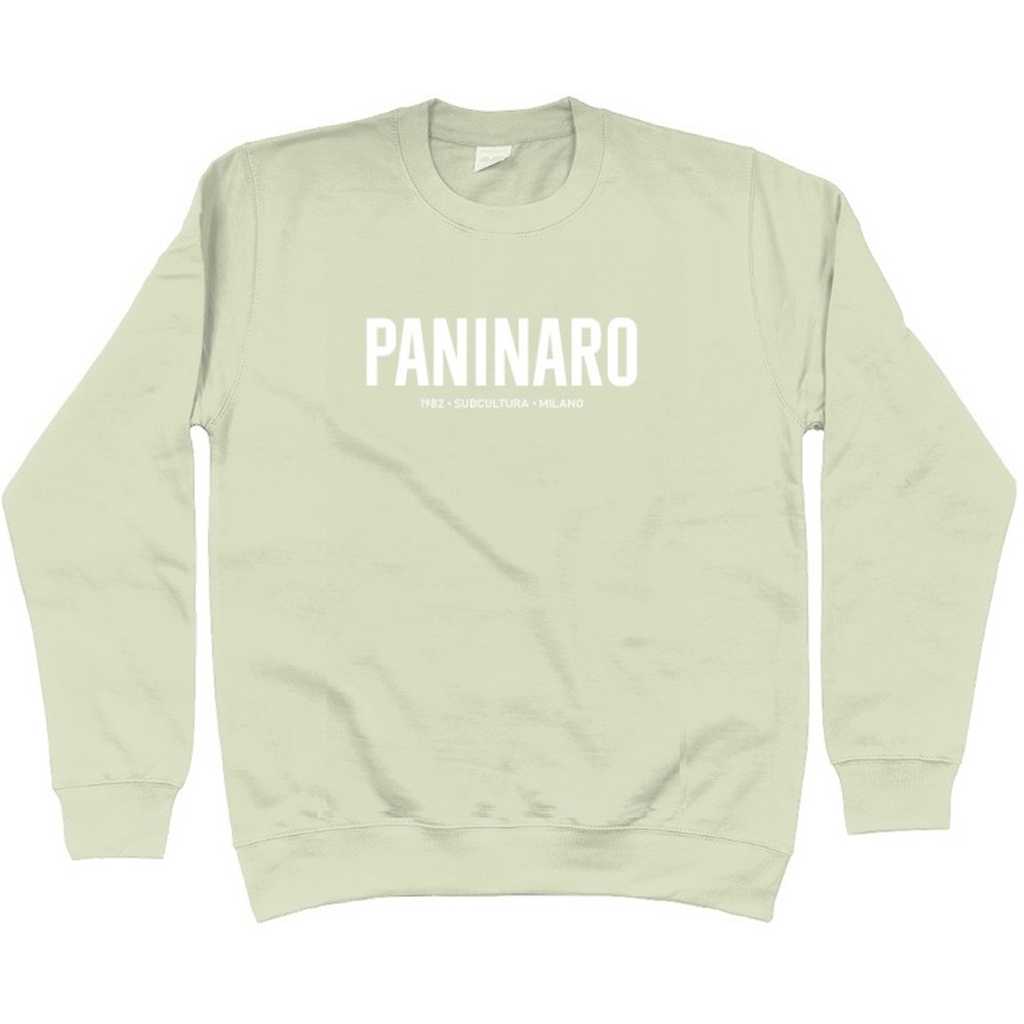
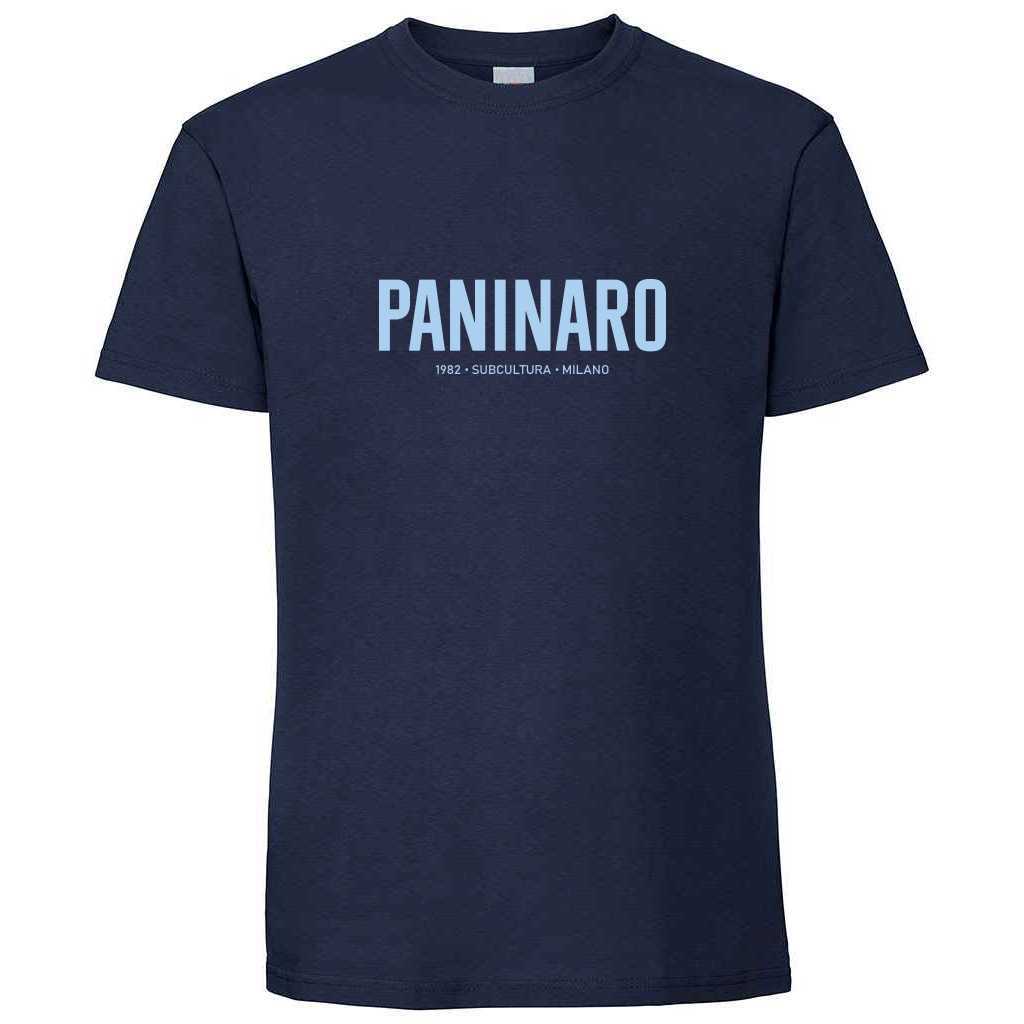
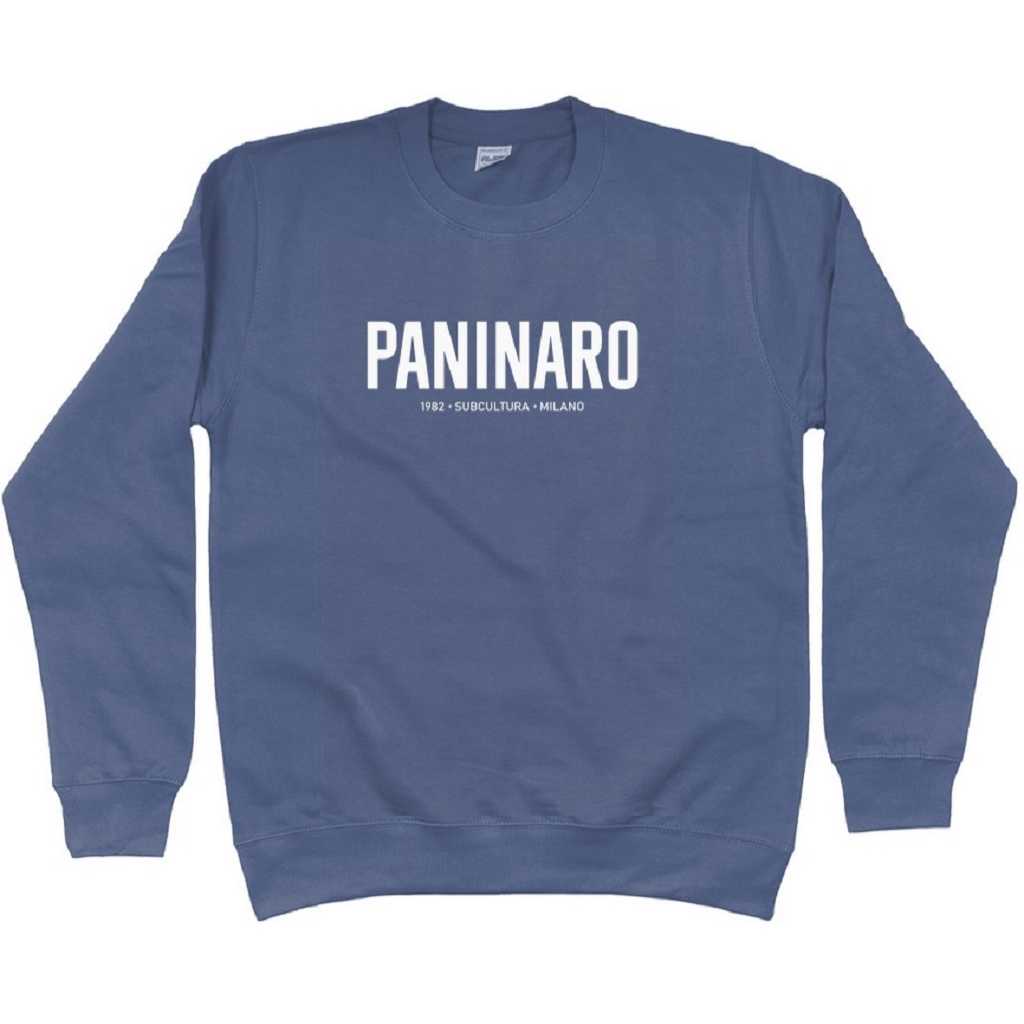
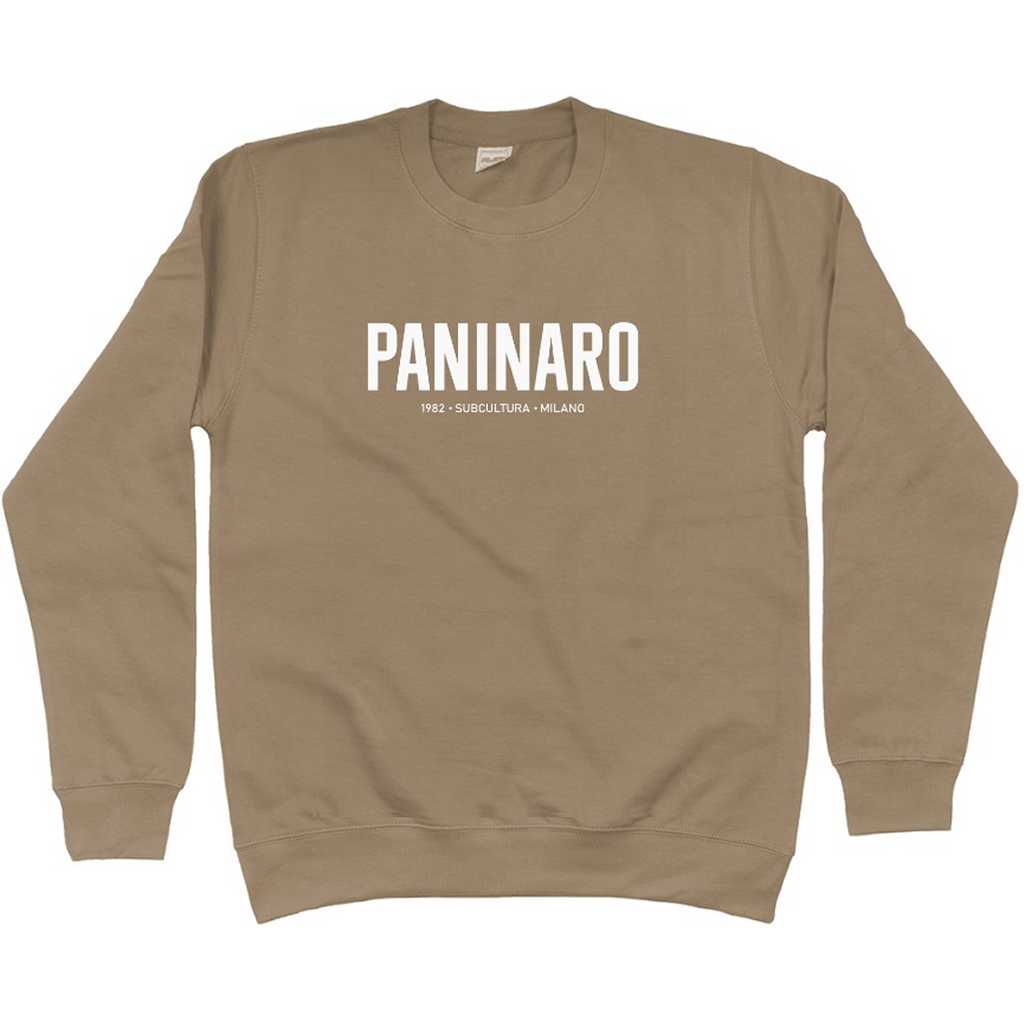
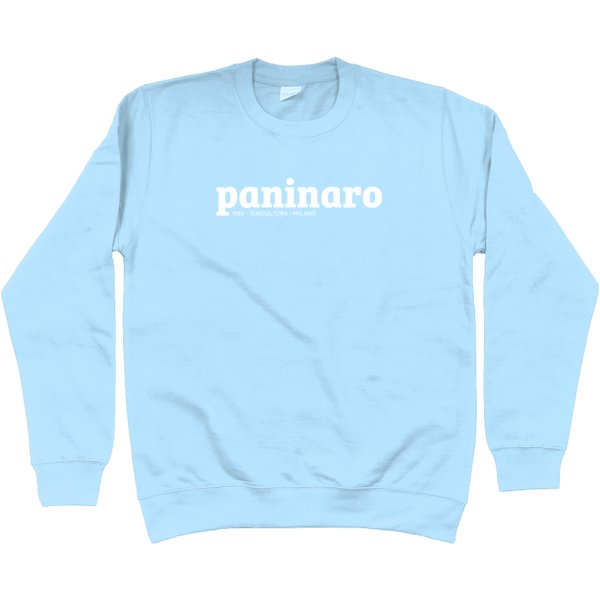
The Magic Sq. celebrates both the Paninari and Casuals movements with our range of Paninaro sweatshirts and t-shirts and our Casuals Collection, all of which pay homage to two iconic subcultures of the '80s.
When the Pet Shop Boys released “Paninaro” in 1986 (originally as the B-side to Suburbia), it didn’t sound like a conventional pop single. Sparse, hypnotic, almost chant-like, the track felt more like a fashion editorial set to a drum machine than a radio anthem. That was entirely the point. “Paninaro” wasn’t just a song—it was a cultural snapshot, a sly critique, and a love letter wrapped in irony.
To understand why Neil Tennant and Chris Lowe wrote “Paninaro,” you have to look at the intersection of youth culture, consumerism, sexuality, and European style politics in the mid-1980s—territory the Pet Shop Boys consistently made their own.
The Paninaro Phenomenon
The song takes its name from the paninari, a youth subculture that emerged in Milan in the early 1980s. The paninari gathered around sandwich bars (paninoteche) near fashionable districts such as Piazza San Babila, and they defined themselves almost entirely through brand allegiance. Armani jeans, Moncler jackets, Timberland boots, Ray-Ban sunglasses—labels were identity. American pop culture was worshipped. Style was ideology.
To British observers like Tennant, who worked as a journalist before forming the band, the paninari were fascinating and faintly absurd: young people building a sense of self almost exclusively through consumption. But crucially, the Pet Shop Boys didn’t approach the scene with pure mockery. Their interest was anthropological, ironic, and, at times, genuinely attracted.

Pop as Observation, Not Judgment
“Paninaro” works because it doesn’t shout its meaning. The lyrics are minimal and repetitive, listing desires, slogans, and objects with almost robotic detachment:
Paninaro, paninaro
New York, London, Paris, Munich
Everybody talk about pop music
There’s no explicit moralizing. Instead, the song mirrors the emptiness and seduction of consumer culture by sounding like it: glossy, hollow, insistent. This was a classic Pet Shop Boys move. Rather than condemning materialism from the outside, they stepped inside it and let its contradictions speak for themselves.
At a time when British pop often framed authenticity as scruffy guitars and working-class sincerity, the Pet Shop Boys embraced artificiality. “Paninaro” extends that philosophy by asking: What if identity really is just clothes, cities, and brands? What if that’s not entirely bad?
Fashion, Desire, and Queer Subtext
Another reason “Paninaro” exists is desire—specifically, queer desire filtered through fashion and surface. The paninari aesthetic was aggressively masculine, body-conscious, and performative. For Tennant, that visual language carried an undeniable homoerotic charge.
The song’s detached tone masks an undercurrent of attraction. Like much of the Pet Shop Boys’ work, “Paninaro” plays with the tension between observation and longing, irony and sincerity. The paninaro figure is both admired and gently ridiculed, desired and deconstructed.
This ambiguity is central to the band’s appeal. They rarely tell you how to feel; instead, they let contradictions coexist. You can dance to “Paninaro” while recognizing it as a critique of shallow consumer identity—and you can still enjoy the clothes.


A European Pop Statement
“Paninaro” also reflects the Pet Shop Boys’ deeply European sensibility. Unlike many British pop acts of the era, they looked outward: to Italy, Germany, France, and the idea of a shared continental pop culture. The song’s roll call of cities reinforces that internationalism, positioning pop music as a transnational lifestyle rather than a local scene.
In that sense, “Paninaro” is as much about the Pet Shop Boys themselves as its subject. Tennant and Lowe were crafting a persona that was stylish, ironic, urban, and knowingly artificial. The paninaro was a mirror—slightly distorted, but recognizably related.
Why It Still Matters
“Paninaro” endures because its subject hasn’t gone away. If anything, brand-based identity has intensified. Swap Armani for Balenciaga, sandwich bars for Instagram, and the paninaro becomes instantly contemporary.
The Pet Shop Boys wrote “Paninaro” not to freeze a moment in the 1980s, but to explore a recurring question in modern life: How much of who we are is what we buy, wear, and display? Their answer wasn’t a lecture—it was a cool, ironic, danceable shrug.
In typical Pet Shop Boys fashion, “Paninaro” lets you enjoy the surface while quietly asking what’s underneath. And then it loops, just like desire itself.