Which Subculture Came First: Casuals or Paninaro?
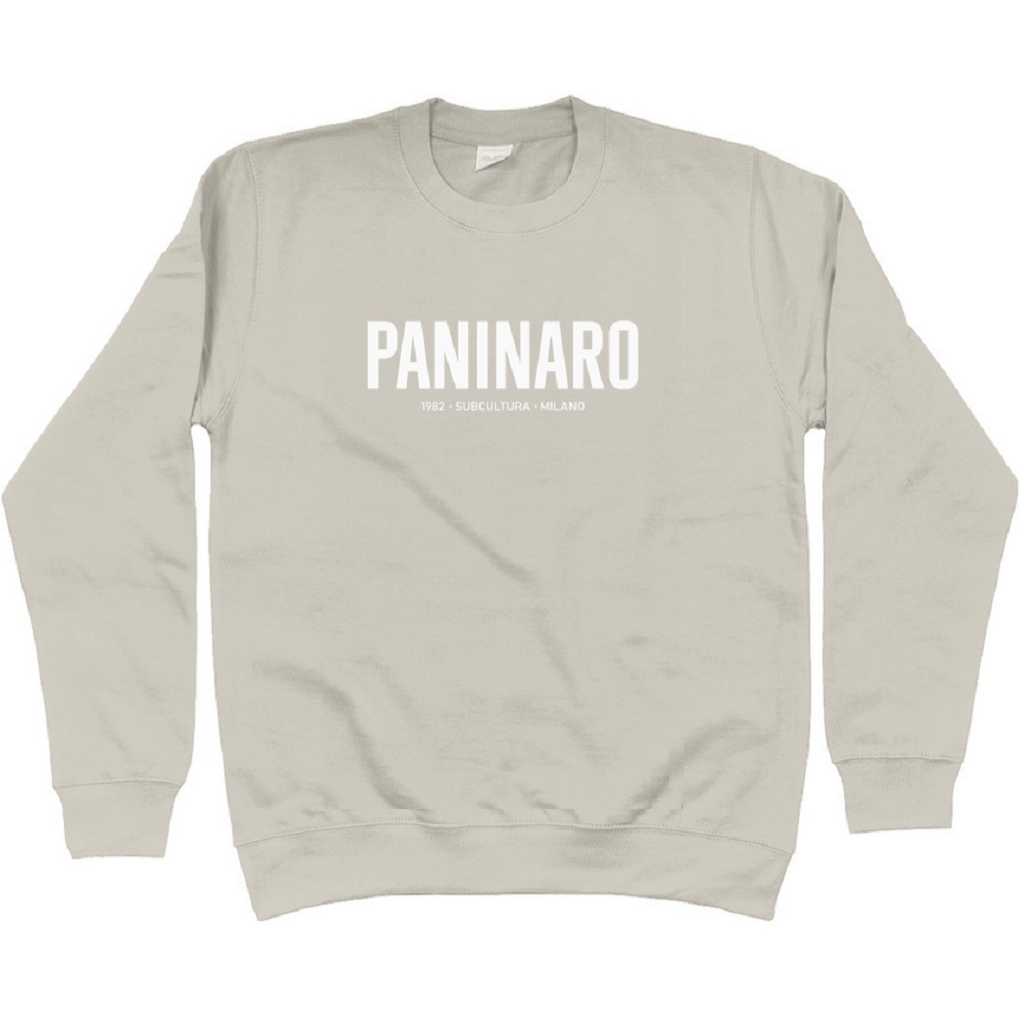
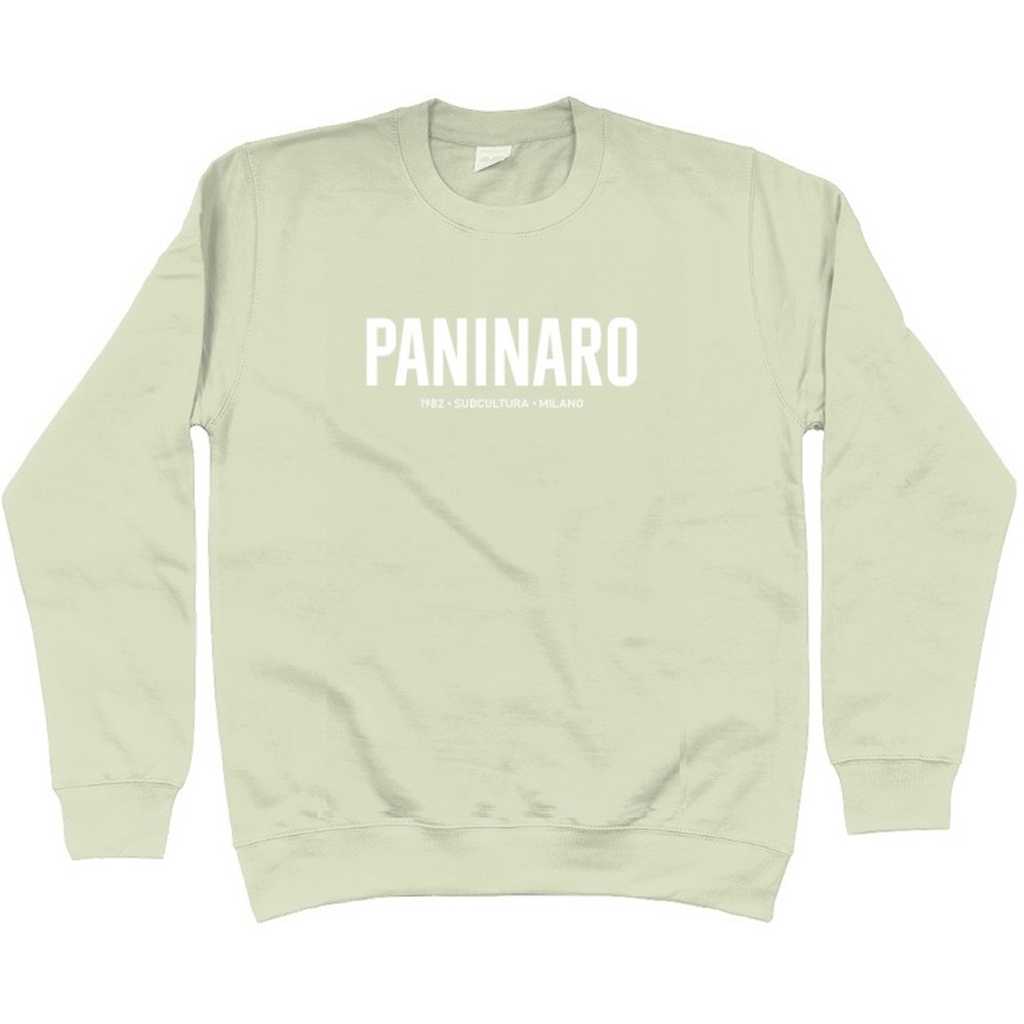
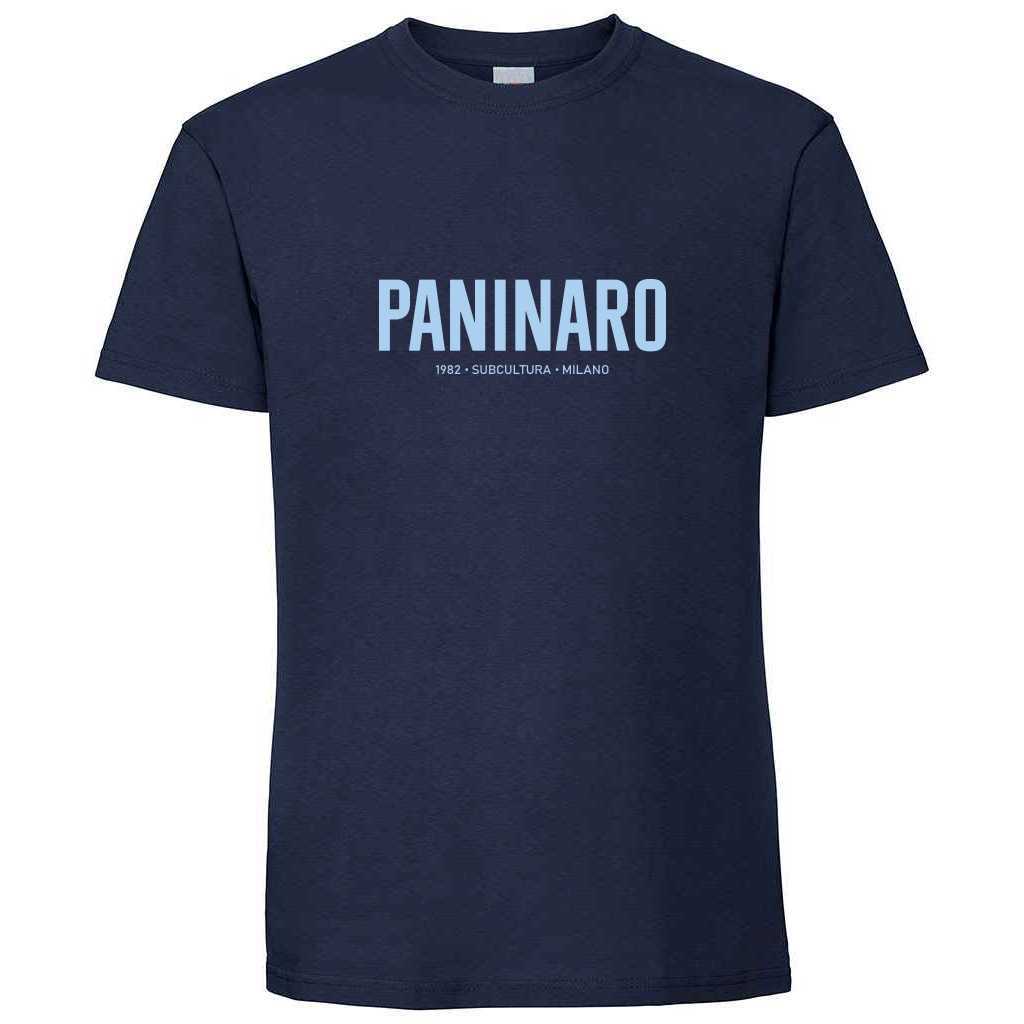
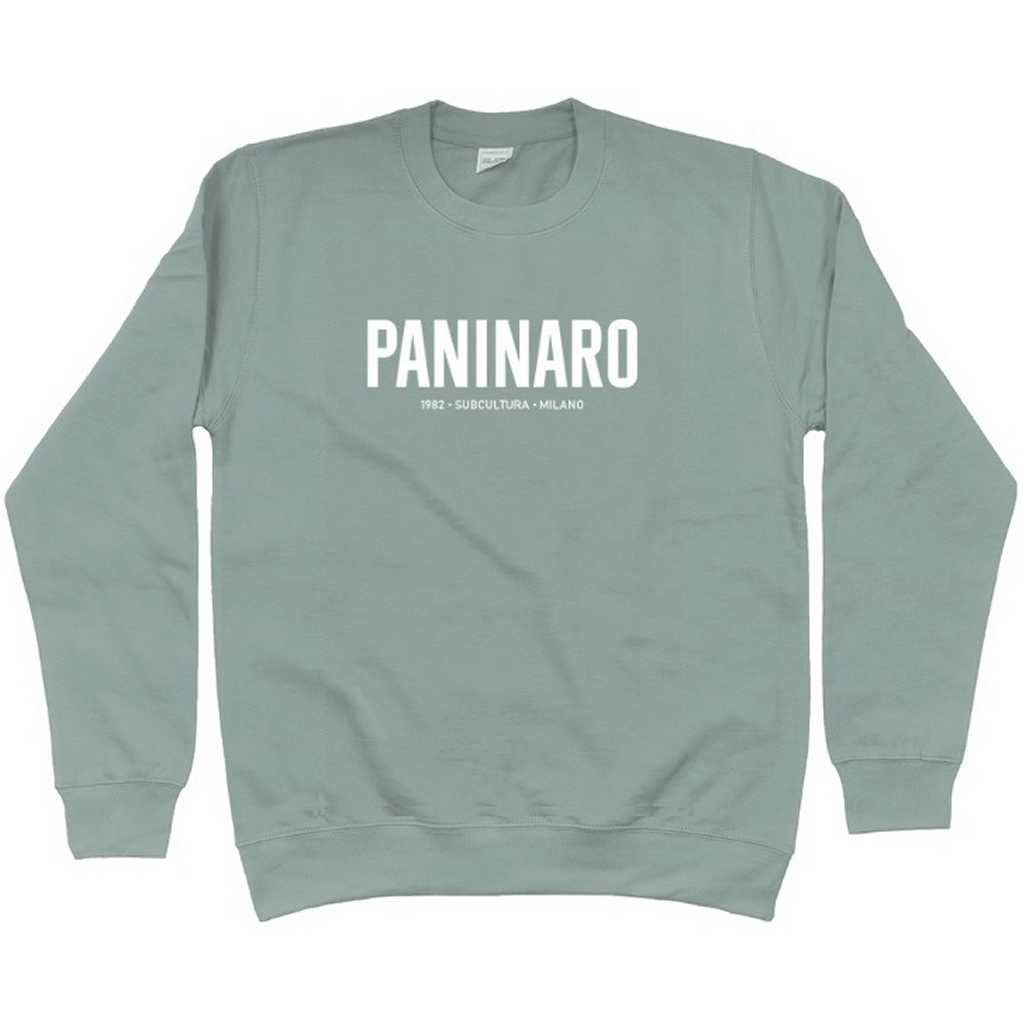
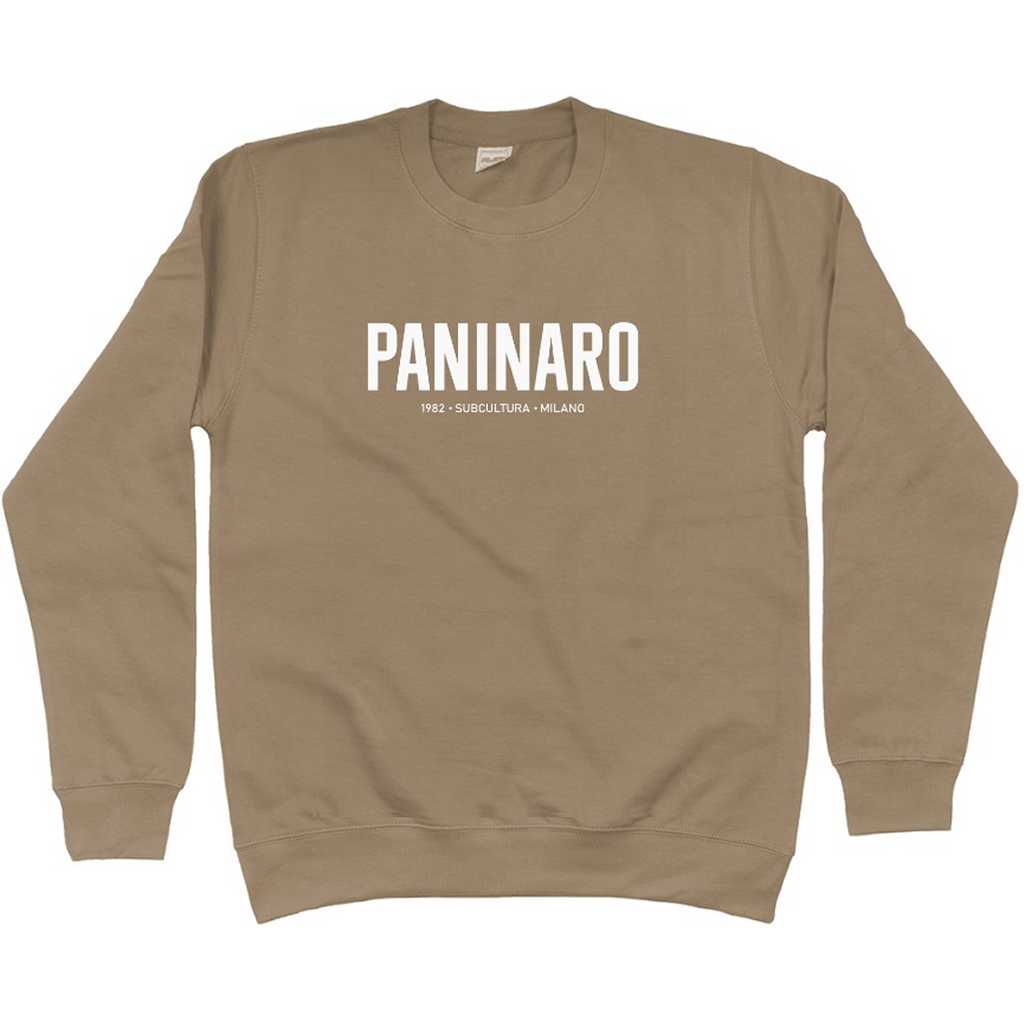
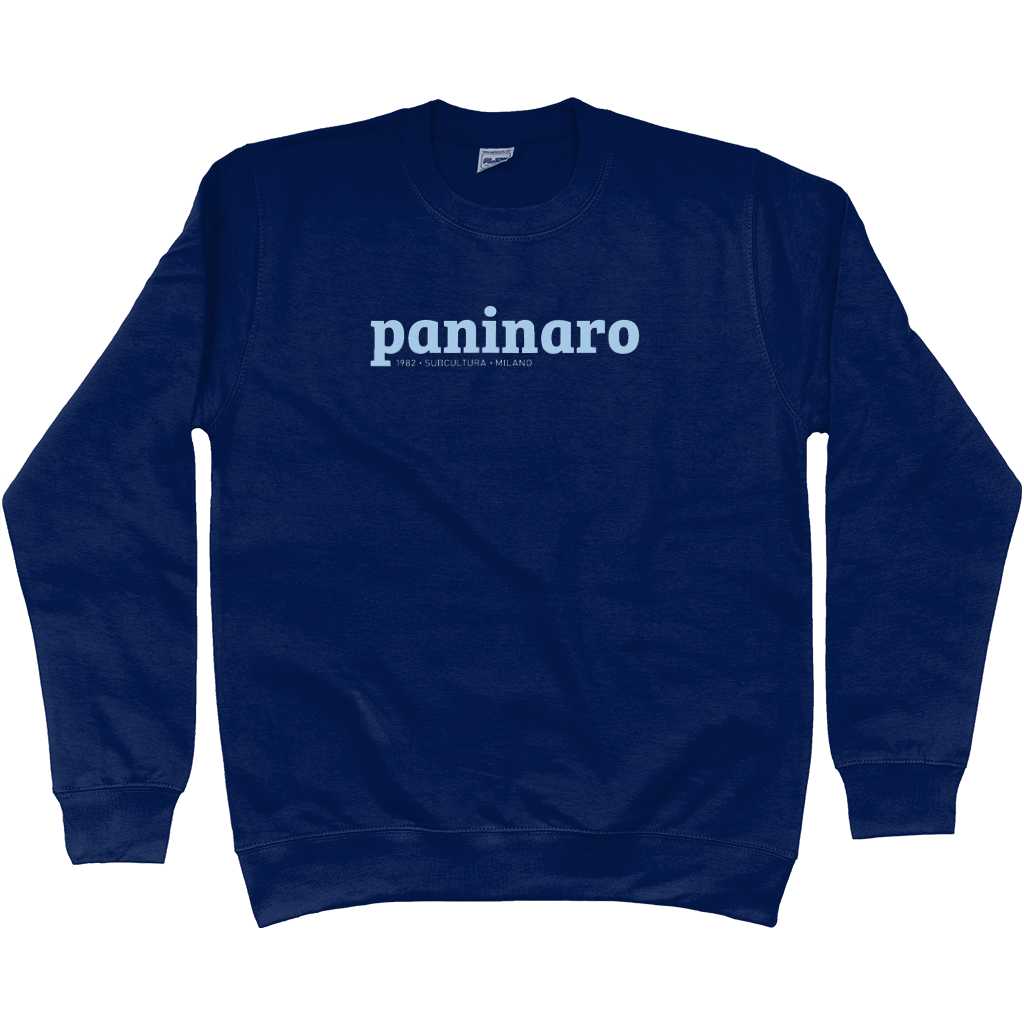
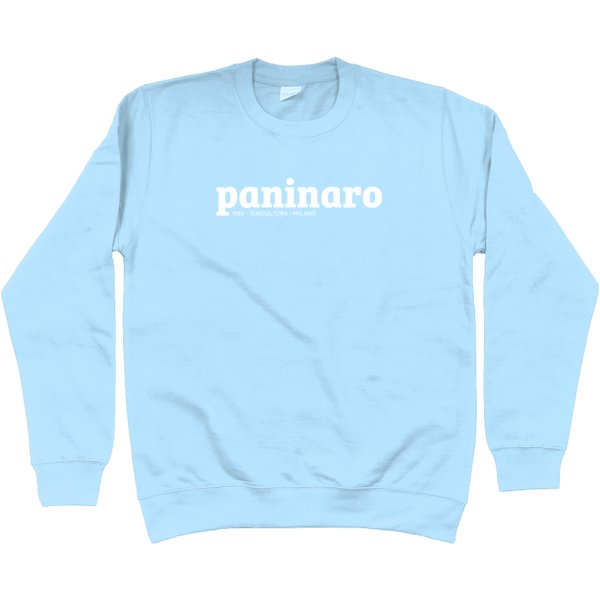
The Magic Sq. celebrates both the Paninari and Casuals movements with our range of Paninaro sweatshirts and t-shirts and our Casuals Collection, all of which pay homage to two iconic subcultures of the '80s.
But which of the two subcultures came first?
Youth subcultures often emerge as expressions of identity, style, and resistance, shaped by local conditions but influenced by global trends. Two of Europe’s most visually distinctive style-based movements — the British Casuals and the Italian Paninaro subculture — are frequently compared because of their shared emphasis on designer clothing and consumer aesthetics. While they appear similar on the surface, their origins, motivations, and timelines differ significantly. Most importantly, the Casuals came first.
Origins of the Casuals movement
The Casuals subculture emerged in Britain in the late 1970s, roughly between 1977 and 1979, primarily among football supporters. It developed during a period when English fans were travelling across Europe for continental competitions. Exposure to European fashion—particularly Italian and French sportswear—had a major influence on their style.
Unlike earlier British youth movements that used overt symbolism, Casuals adopted an understated but expensive look. Brands such as Sergio Tacchini, Fila, Lacoste, Ellesse, Stone Island, and later CP Company, became central. The move away from club colours and obvious hooligan identifiers was partly tactical, helping fans avoid police attention, but it also marked a new form of status expression rooted in exclusivity and knowledge of labels.
The Casuals movement spread quickly across football firms in cities like Liverpool, Manchester, and London, becoming one of the most influential style subcultures in modern British history.
Origins of the Italian Paninaro Subculture
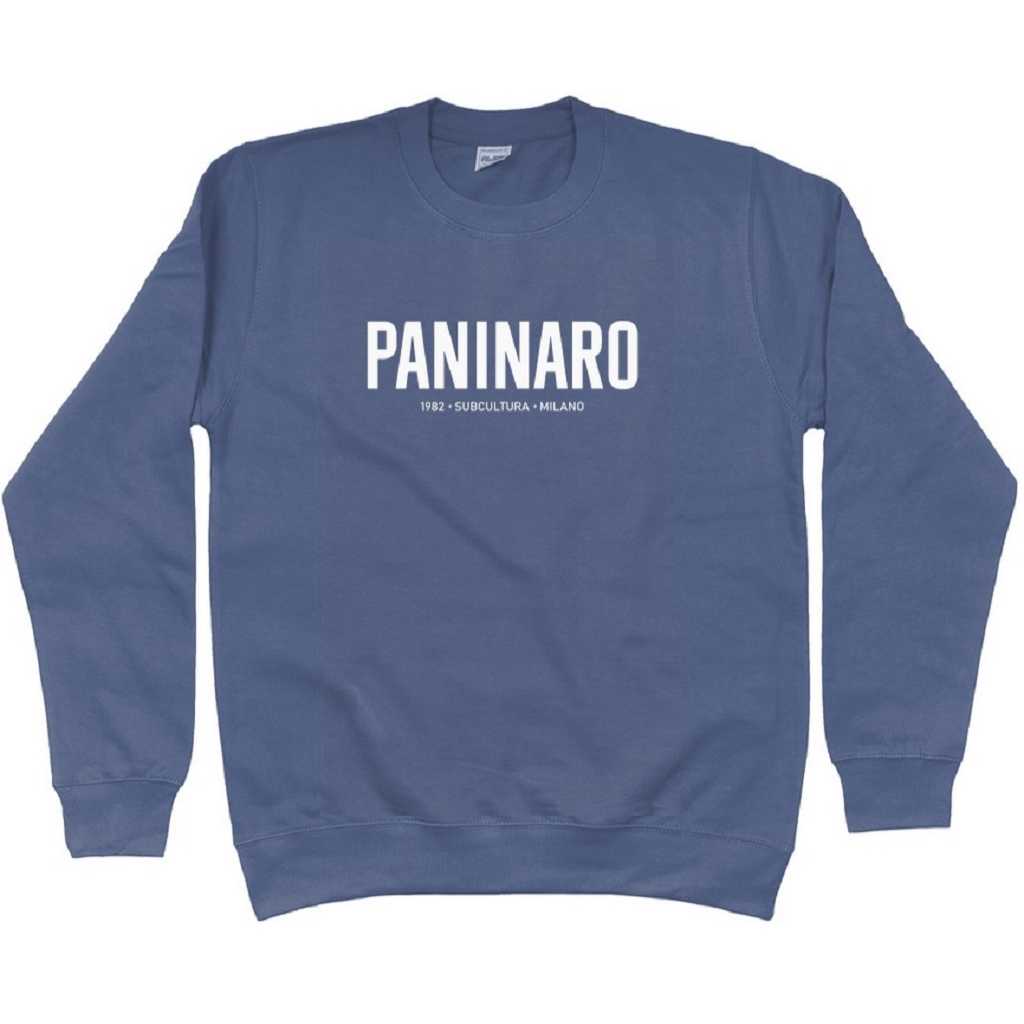
The Paninaro subculture emerged later, in early 1980s Milan, usually dated to around 1981-1983. The name comes from “paninari,” youths who gathered around sandwich bars (panini shops) near fashionable areas such as Piazza San Babila.
Paninari culture was explicitly consumerist and aspirational. It celebrated wealth, brand loyalty, and a glossy, American-influenced lifestyle. Key brands included Moncler, Armani Jeans, Best Company, Timberland, and El Charro. Unlike the Casuals, Paninari were not rooted in sport or street conflict; their identity revolved around fashion, leisure, and a deliberately apolitical stance.
The movement gained mainstream visibility through Italian media, magazines, and even pop music, most famously referenced by the Pet Shop Boys in their 1986 song Paninaro.
Comparison and Timeline
When comparing the two movements chronologically, the distinction is clear:
Casuals: Late 1970s (1977-1979)
Paninari: Early 1980s (1981-1983)
The Casuals subculture pre-dates Paninari by several years. In fact, there's an argument to be made that the visibility of British football fans wearing Italian designer sportswear may have indirectly influenced the fashion consciousness that later became central to Paninaro culture, although the Italian movement ultimately developed its own identity and values.

Cultural Differences Despite Visual Similarities
While both subcultures shared an obsession with brands and clean-cut aesthetics, their meanings diverged. Casuals fashion was tied to masculinity, territoriality, and football culture, operating largely outside mainstream approval. Paninari style, by contrast, embraced consumer capitalism and media attention, reflecting Italy’s 1980s economic optimism.
Legacy and Impact
So, whilst the Casuals subculture came first, emerging on the UK streets and terraces in the late 1970s, several years before the Paninaro movement took shape in Milan, both subcultures had a huge impact, not just in Great Britian and Italy, but across Europe.
Though visually comparable, the two subcultures arose from different social conditions and expressed contrasting attitudes toward politics, consumption, and identity. Together, they illustrate how similar fashion languages can carry very different cultural meanings depending on time and place.
The continued popularity of brands from both movements shows the influence of both the Casual and Paninaro subcultures. And long may it continue...